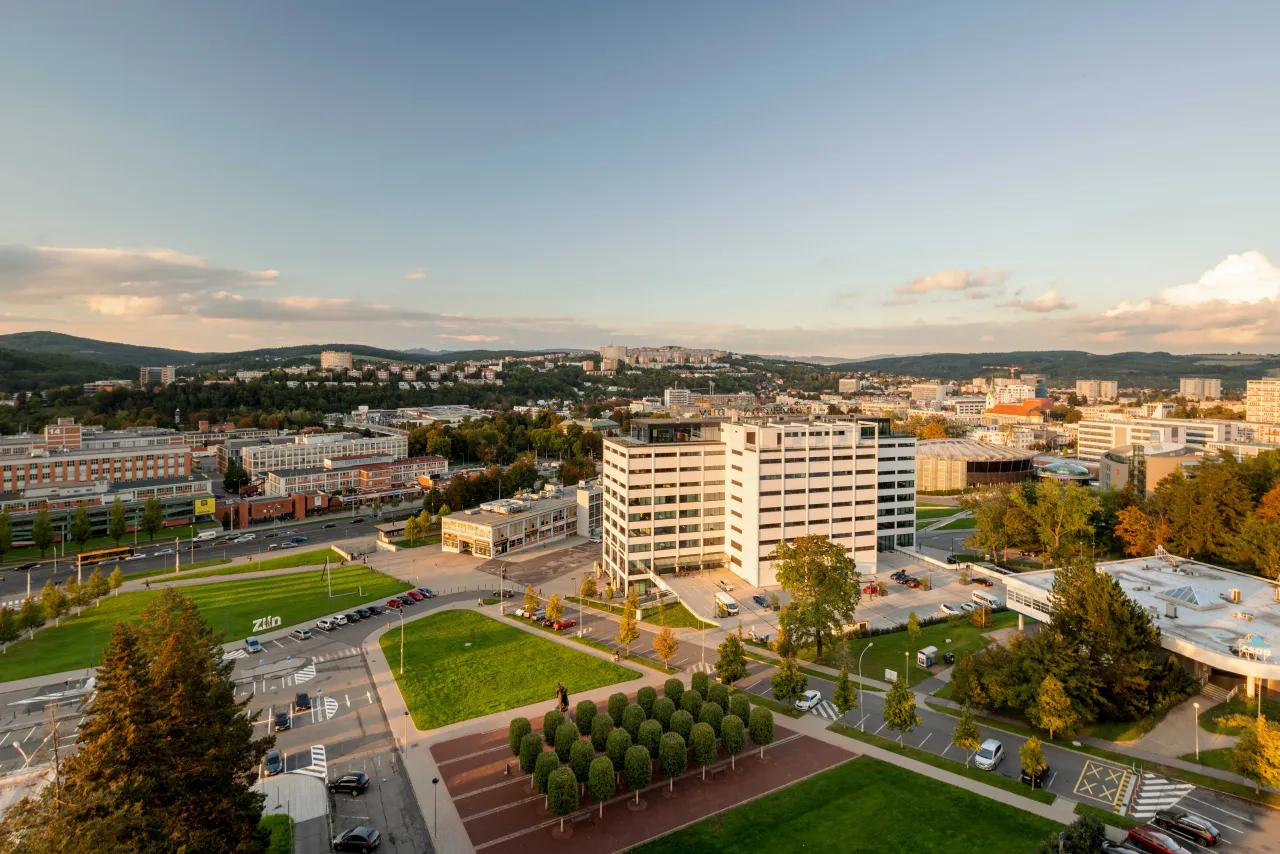
History
Get to know the Interhotel Zlín building and the story of the era that shaped the town itself. This architectural gem was created in the Baťa era, when one of the most striking chapters of Zlín history was being written. To this day it carries the values of functionality, simplicity and timelessness that are so typical of this period. A building that remembers the changes of time. A place where history naturally flows into the present. Each era has left its mark here. Walk through its story step by step.
A place. A story. A tradition.
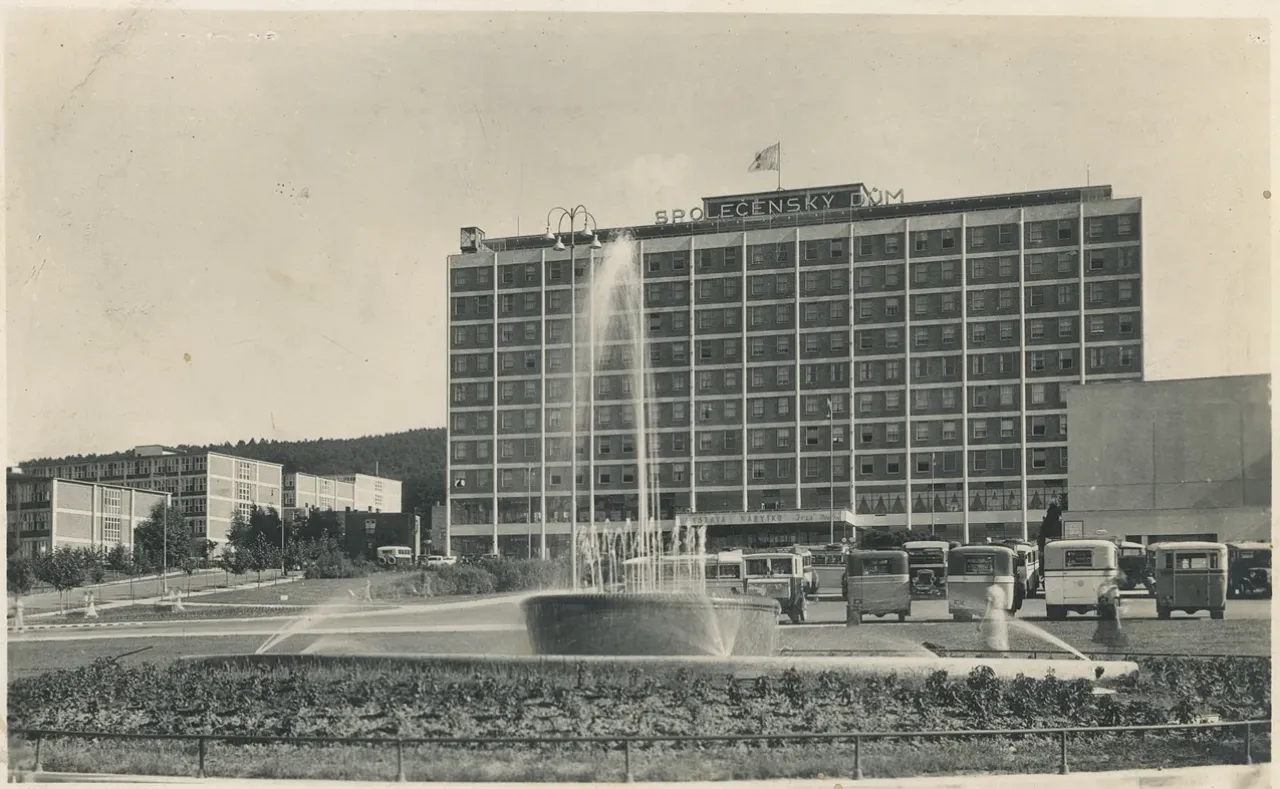
In the very heart of Zlín stands a hotel that is more than just a place to spend the night. It is a witness to history, a symbol of architecture and a reminder of the era when a small Moravian town gave birth to a modern metropolis of industry, design and culture.
Today's Interhotel Zlín was built in the 1930s as Baťa's Community House - a representative hotel intended for business partners, visitors and guests of the rapidly growing town. It was part of Tomáš Baťa's grand vision: to create a modern town offering not only work, but also culture, social life and an inspiring environment
Baťa's vision
On the newly emerging náměstí Práce square, directly on the axis of the entrance to the Baťa company factory complex, a space was to be created where work, commerce and social life meet. The hotel design from 1931 was created by the architect Miroslav Lorenc, and was later developed by the prominent Baťa architect Vladimír Karfík, whose functionalist concept gave the building the form it still bears and is known for today.
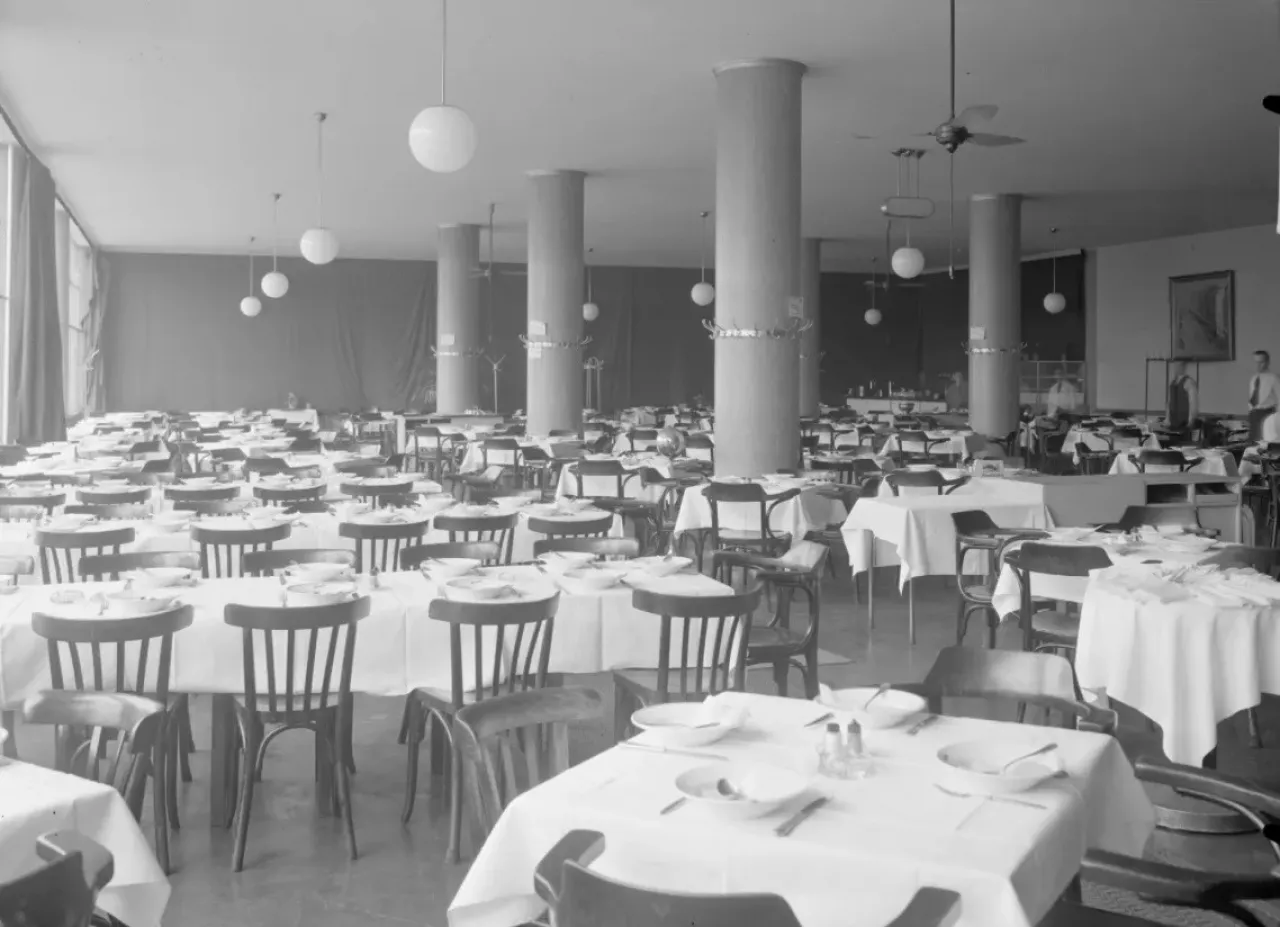
The result was a modern hotel of European standard - with a restaurant, a café, social halls, a cultural programme and comfortable rooms. At the time of its construction it ranked among the most modern hotel projects in Central Europe.
Architecture that shaped the town
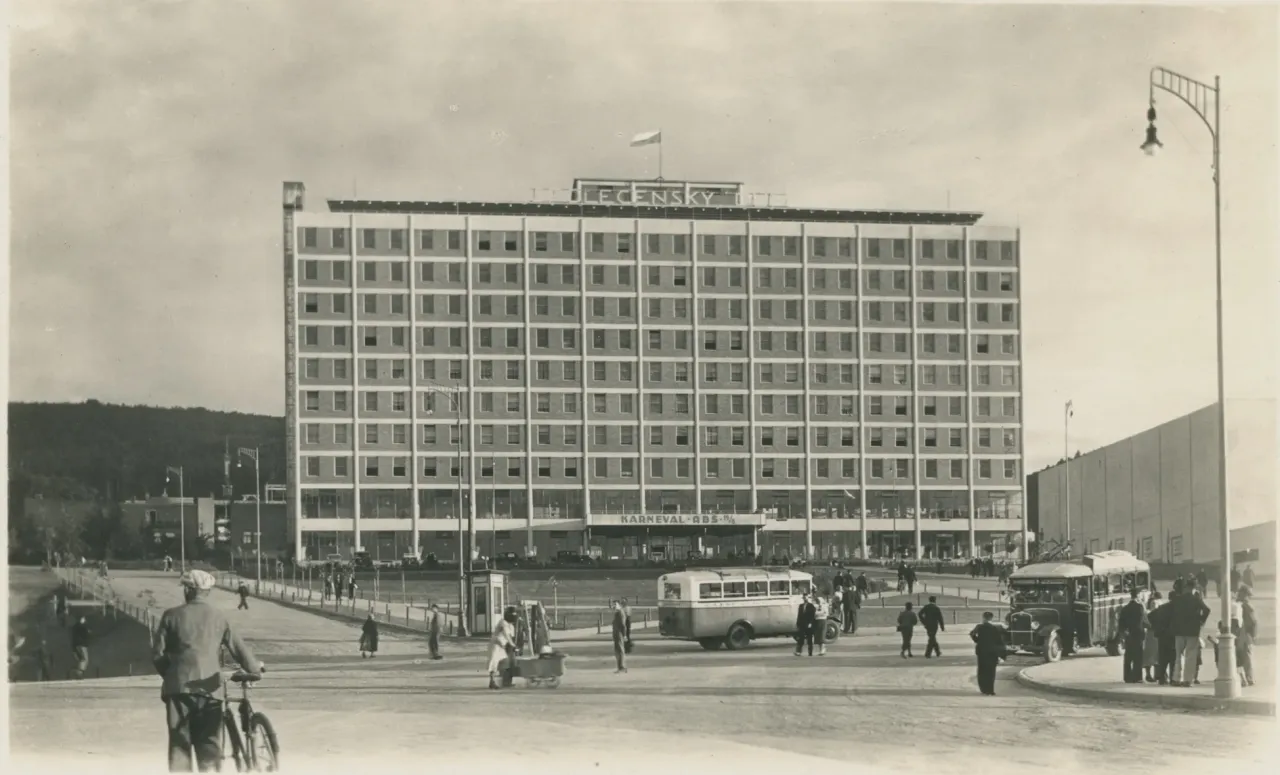
The functionalist building with its typical reinforced-concrete skeleton and modular construction became a striking landmark not only of the town of Zlín, but at the time it was also a remarkable structural and architectural gem in our country.
Generous glazed ground floors, the rhythm of reinforced-concrete pillars and the legendary rooftop terrace with a dance floor created the atmosphere of a metropolitan hotel of a kind that was then known rather from New York or Chicago. The hotel and the building itself were a symbol of modern Zlín - a town that was created according to the urban concept of the architect František Lydie Gahura.
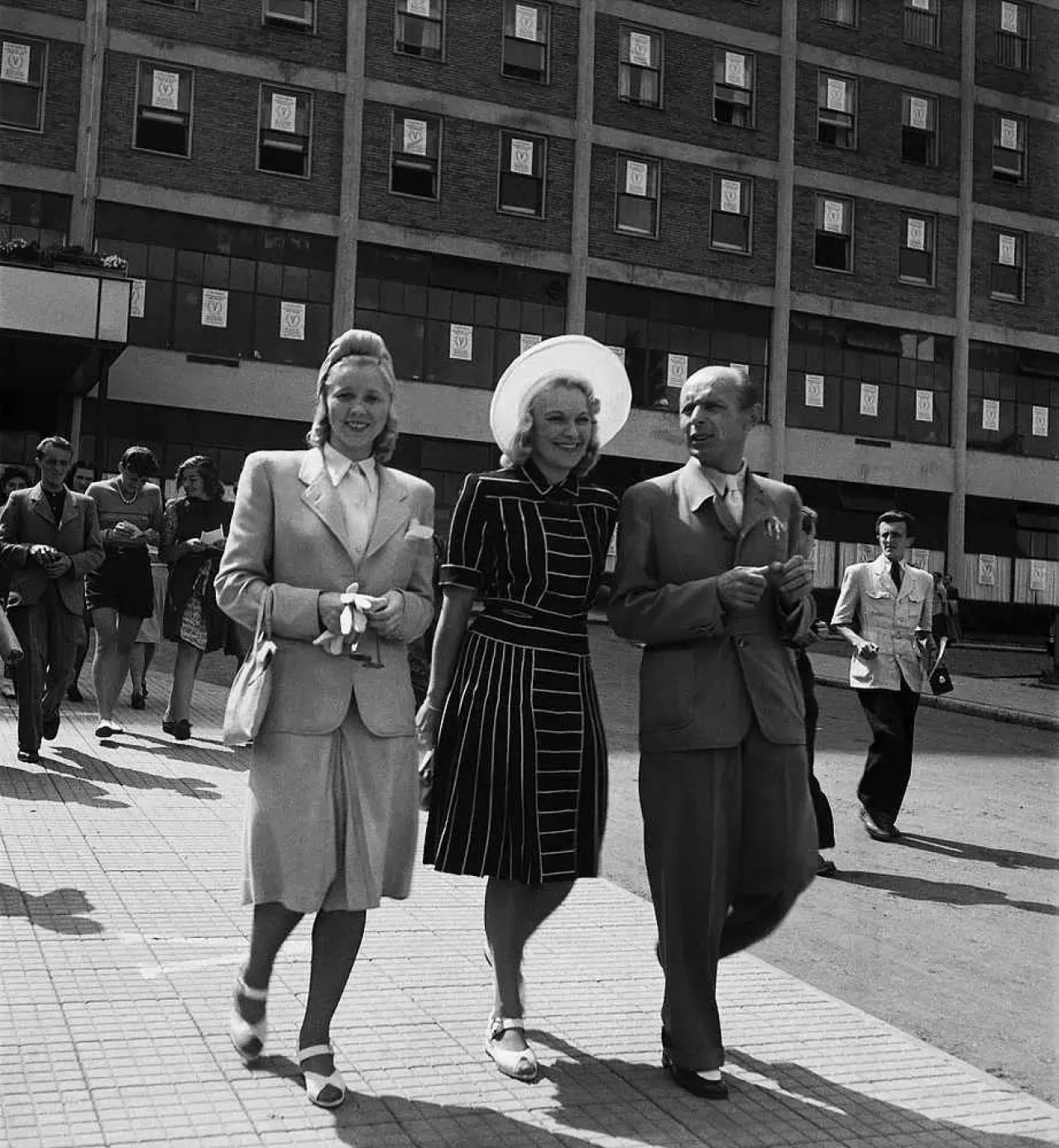
A place of meeting
From the very beginning, Interhotel Zlín was a centre of social life. It was visited by entrepreneurs, artists and famous personalities of their time. The hotel rooms and function rooms hosted, for example, legends of Czech film and theatre:
- Oldřich Nový
- Teodor Pištěk
- Lída Baarová
- Jan Werich
- Jiří Voskovec
- Vlasta Burian
- Nataša Gollová
Over the decades, the hotel also changed its name several times - from Baťa's Community House, through Hotel Victoria, to Hotel Moskva. Each era, however, left its more or less distinct mark here.
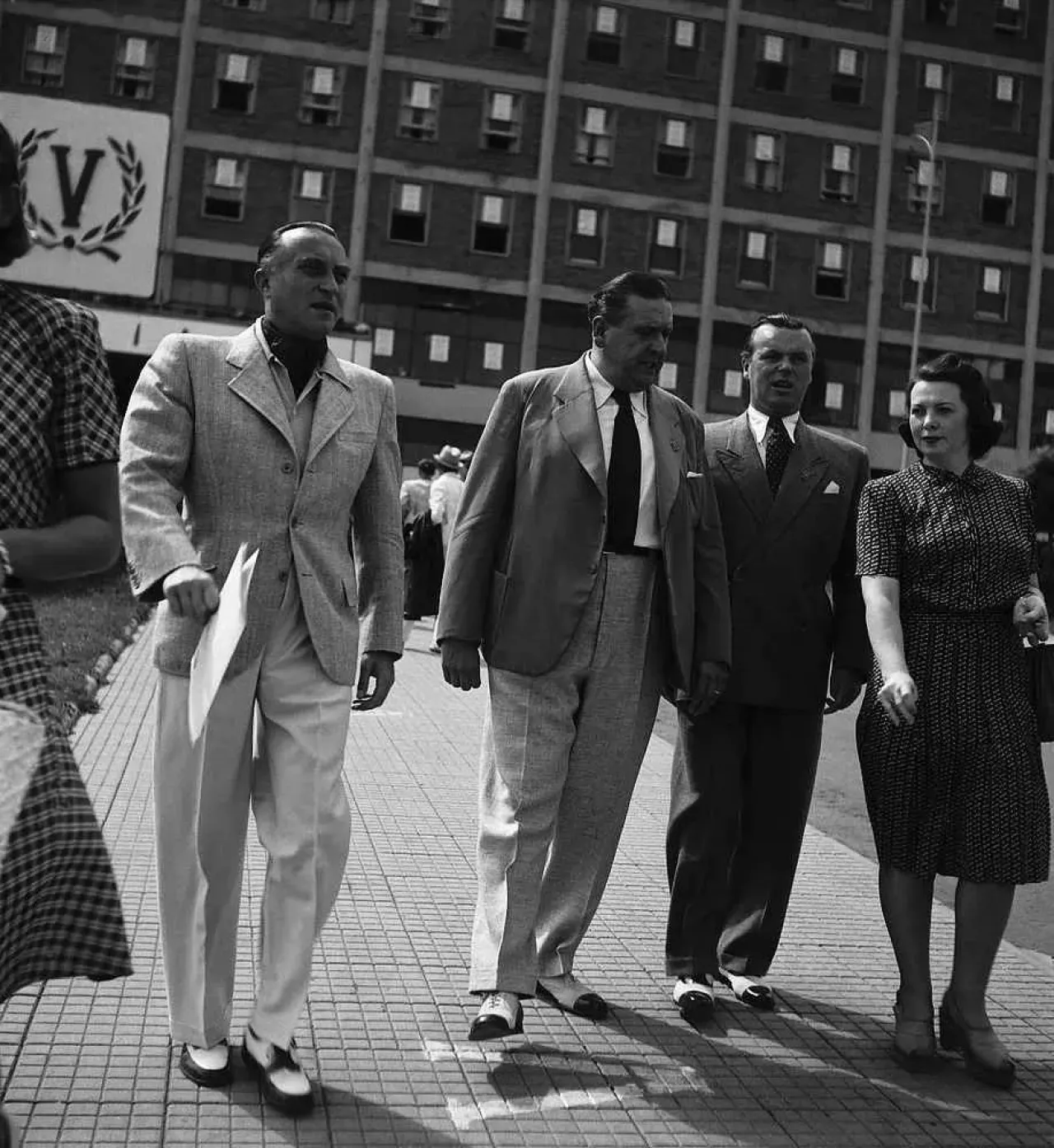
Interhotel Zlín and film
For more than half a century, Zlín has been home to one of the most important film festivals in the world - ZLIN FILM FESTIVAL. It is the oldest international film festival for children and youth of its kind in the world. In its scope, history and tradition it is unrivalled on an international scale, and Interhotel Zlín has become its natural base.
Every year, film delegations, creators and guests from all over the world stay here, including the biggest stars of the international film screen. The hotel's atmosphere thus still carries the spirit of a film town.
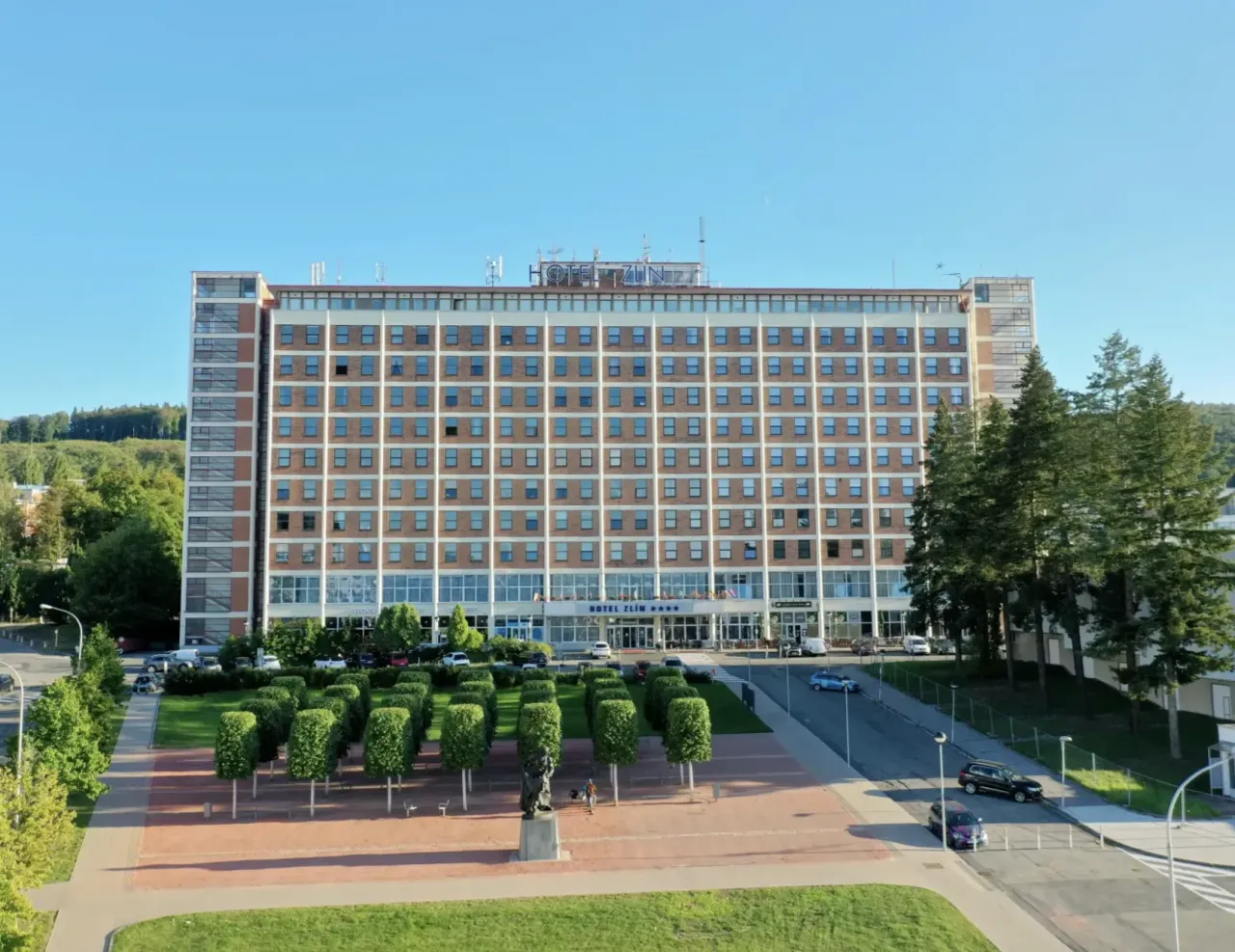
A tradition that continues
Zlín is a town with a unique atmosphere, a functionalist legacy and the stories that unfold within it for generations. Interhotel Zlín is part of them. Whether as facilities for conferences and social events or as a starting point for exploring the town, it is naturally connected with Zlín and its life. It stands in the very heart of the town and has become one of its best-known symbols.
Today, Interhotel Zlín is a modern certified four-star hotel and congress centre. It remains a fixture of the town's architecture and of the life of Zlín. Here guests find comfortable rooms, a restaurant, a café, social congress halls and services that build on the original idea of the Baťa era: "To create a place where work, culture and social life come together".